KPSEA
KPSEA explained: how to prepare your Grade 6 child without panic
KPSEA is a national assessment, not a pass-or-fail gate — every Grade 6 learner proceeds to Grade 7 regardless of the result. Here’s what it actually covers, and a calm weekly rhythm for revision at home.
What KPSEA is — and what it is not
KPSEA, the Kenya Primary School Education Assessment, is the national assessment KNEC runs at the end of primary school, in Grade 6. It’s natural for parents to hear “national exam” and brace for something like the old KCPE. It isn’t that, and the difference matters enough to say plainly before anything else.
KPSEA is not a ranked pass-or-fail gatekeeper. There is no cutoff mark that stops a child from continuing, and there is no published league table ranking schools or learners against each other. Every Grade 6 learner proceeds to Grade 7, regardless of the result. It’s better understood as a monitoring assessment — a structured check on where a learner stands across the primary curriculum, at a moment when it’s still easy to act on what’s found, rather than a gate that decides who moves forward. You can read KNEC’s own guidelines on the assessment at knec.ac.ke.
It also helps to see where KPSEA sits in the wider CBC journey. Under the 2-6-3-3-3 structure, primary school runs Grades 1 through 6, and KPSEA is the checkpoint that closes that stage. Three years later, in Grade 9, KJSEA closes junior school in a similar way — and the two assessments are connected, which is the whole reason KPSEA is worth taking seriously even though it isn’t pass-or-fail.
The five papers
KPSEA covers five papers, spanning the breadth of the upper primary curriculum. None of them are a surprise to a learner who has been attending school normally — they map directly onto subjects already being taught in class, not some separate exam-only syllabus:
- Mathematics. The cumulative subject — most Grade 6 content builds directly on Grades 4 and 5, so gaps here tend to trace back a year or two rather than sitting only in the current term’s work.
- English. Reading, comprehension, and written expression, assessed through tasks that ask a learner to use the language, not just recall rules about it.
- Kiswahili / Kenyan Sign Language. Depending on the learner’s language track, covering similar ground to the English paper in the learner’s other language of instruction.
- Integrated Science. Foundational science concepts across the primary syllabus, testing understanding of how things work more than memorised definitions.
- Creative Arts & Social Studies. The humanities and creative learning areas together, often the paper parents think about least and prepare for least — worth a place in the rotation too.
Why it still matters, even though it isn’t pass-or-fail
If KPSEA doesn’t block anyone from Grade 7, it’s fair to ask why revision for it matters at all. The honest answer: KPSEA contributes 20% of the eventual junior-school placement score — the same combined score that KJSEA completes three years later in Grade 9, alongside school-based assessments from Grades 7 and 8. That combined score is what eventually determines Senior School pathway placement. Our KJSEA Grade 9 parent’s guide walks through exactly how that later calculation works, if you’d like to see where this Grade 6 mark eventually lands.
So KPSEA is worth taking seriously — just not worth panicking over. It’s one piece banked early, at a stage when a child still has years to build the rest of the picture. A strong KPSEA result is a good start, not a finish line; a weaker one is a fifth of a much longer story, not a verdict on what comes next.
There’s a second, quieter reason KPSEA is worth engaging with properly: it’s a genuinely useful early warning system. Because it covers the full breadth of the primary curriculum in one sitting, it can surface a gap that has been sitting quietly under the surface for a year or two — a maths idea from Grade 4 that never quite set, a reading skill that’s weaker than classwork alone reveals. Finding that gap in Grade 6, while there are still three full years of junior school ahead to work with it, is a far better position than discovering it for the first time at KJSEA in Grade 9.
What revision should look like for an eleven-year-old
This is the part that trips up well-meaning parents. Grade 6 learners are ten, eleven, sometimes twelve years old. Revision that works for a stressed teenager cramming for finals is the wrong model here entirely, and importing it usually backfires — a tired, anxious eleven-year-old retains less, not more.
- Short, kind, and consistent. Twenty to thirty focused minutes most days beats a three-hour Saturday session that ends in tears. Little and often is how younger children actually retain material — attention at this age simply doesn’t stretch across long unbroken sessions.
- Practice questions with immediate feedback. A worksheet marked a week later teaches nothing new by the time it comes back. A quiz that shows what was right and wrong straight away lets a child correct course while it’s still fresh in their mind.
- Games and streaks count as real revision at this age. A leaderboard, a streak counter, a small sense of progress — these aren’t a distraction from revision for an eleven-year-old, they’re a legitimate reason to come back and do it again tomorrow. Adults sometimes dismiss this as “just a game”; for a child this age, the game is often what makes the practice happen at all.
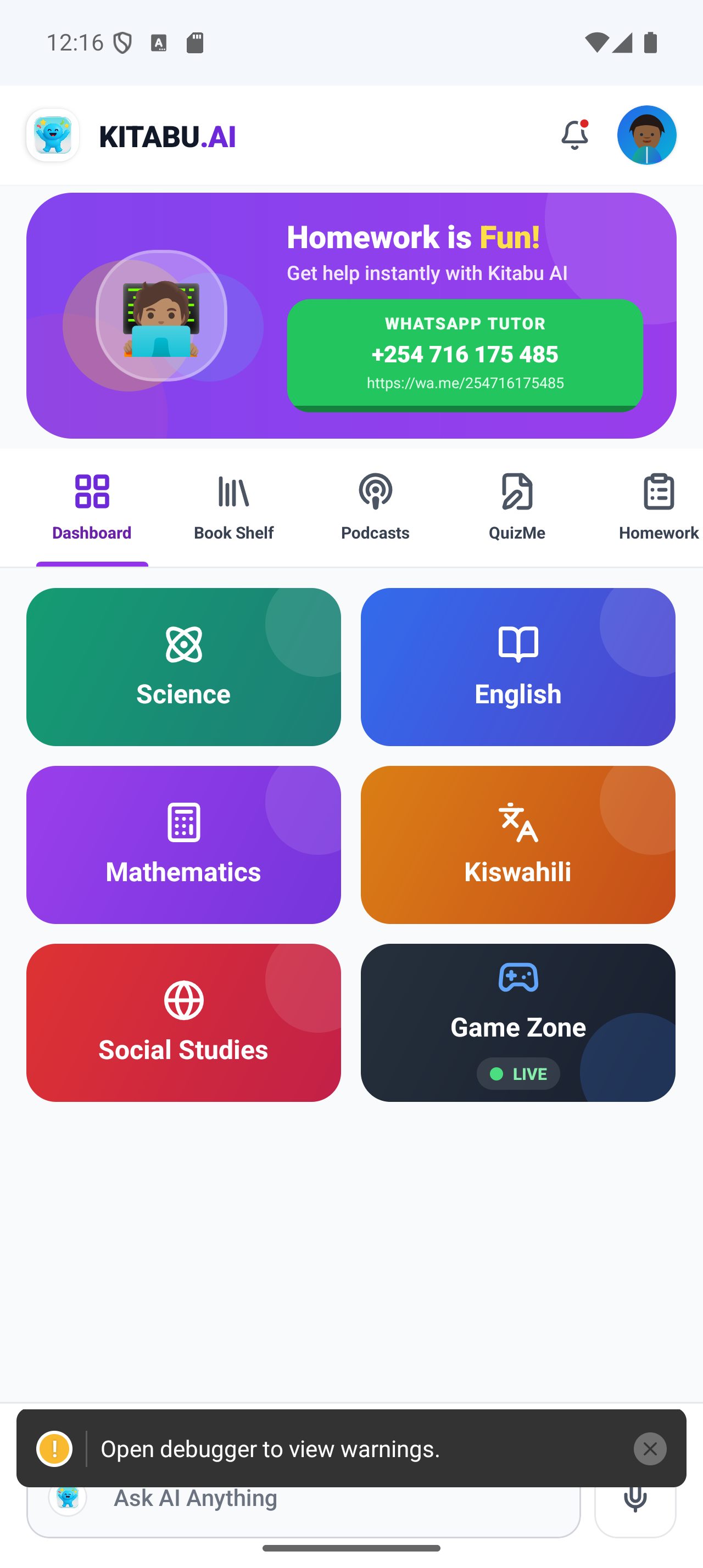
Start with a check-up, not a timetable
Before building any weekly plan, it’s worth spending fifteen minutes finding out what actually needs revising, rather than guessing. A general timetable that covers “a bit of everything” treats a child who is solid in four papers and shaky in one the same as a child with scattered gaps across all five — and wastes time on the papers that didn’t need the attention. A short diagnostic across all five KPSEA papers shows exactly which strands are secure and which need repair, so the 20 to 30 minutes a day actually goes where it helps.
This matters more for an eleven-year-old than it would for an older learner, because their attention is a limited, precious resource. Spending it revising something already understood is a worse use of a short evening session than spending it on the one genuine gap — and a proper check-up is the only way to tell the difference between the two.
A simple weekly rhythm parents can run
You don’t need a timetable spreadsheet, a wall chart, or a colour-coded plan. A rhythm like this is enough, and it fits around normal school and family life rather than competing with it:
- Most weekday evenings — 20 to 30 minutes. One short session, one subject, no marathon. Rotate through the five papers across the week so nothing gets neglected.
- Midweek — ask a specific question. Not “have you revised?” but “what’s one thing you learned this week that you didn’t know before?” It’s a question a child can actually answer, and the answer tells you something real.
- Weekend — look at the pattern, not one session. Check whether the same topic keeps coming up as difficult across the week. One hard evening is nothing. The same gap for three weeks running is worth attention — that’s the signal worth acting on, not any single bad night.
- End of week — a small, specific comment. Praise the working, not just a good score — “I like how you showed your steps” lands better than a generic “well done,” and it teaches a child what good work actually looks like.
The parent script
“Umesoma?” only ever gets one answer — “yes” — whether or not anything was actually learned. It’s not a dishonest answer so much as an unanswerable question: a child staring at a book for twenty minutes and a child who actually understood something new both say the same word back. Try replacing it with something specific and kind: “Teach me the thing you learned today” or “What was the trickiest question this week?” Both give you real information in under two minutes, and neither feels like an interrogation. For more on reading these signals honestly across the week, see why parent progress updates matter before report cards.
A few other lines worth keeping in your back pocket: “Show me the one you found easiest” opens a conversation without any pressure at all, and is often where a shy answer turns into a genuinely proud one. “What would you tell a friend who was stuck on this?” asks a child to teach, which is one of the fastest ways to reveal whether an idea has actually landed. None of these require you to know the subject matter yourself — they only require you to listen to the answer.
Mistakes to avoid
- Panic-buying revision books. A pile of new guides doesn’t tell you what your child is actually missing — a proper diagnostic does, and it takes a fraction of the time a bookshop trip does.
- Treating KPSEA like KCPE. It isn’t ranked and it isn’t a gate. Talking about it as a make-or-break exam creates fear that doesn’t match what’s actually at stake, and fear rarely helps an eleven-year-old learn anything faster.
- Drilling past papers all Saturday. Long, joyless sessions wear a child out faster than they build competence. Short and frequent wins over long and rare, every time, at this age.
- Punishing wrong answers. A wrong answer during revision is exactly the point of revision — it’s a gap found early, while there’s still time to close it. Treating it as a failure teaches a child to hide mistakes instead of fixing them, which is the opposite of what revision is for.
What good progress actually looks like
Parents sometimes expect a straight line — a little better every single week, with no setbacks. Real revision rarely looks like that, especially at this age. A more realistic pattern is a gentle upward trend with the odd flat week or wobble, particularly after a school break or a busy stretch at home. The question worth asking isn’t “was this week better than last week?” but “is this month better than last month?” Zooming out removes a lot of unnecessary worry about single sessions that didn’t go well.
It also helps to notice what improvement actually looks like in an eleven-year-old’s own words. A child who once answered “I don’t know” to a topic and now attempts an answer, even an imperfect one, has moved forward — confidence to try is often the first visible sign, arriving before the mark itself catches up. Watching for that shift, rather than only the score, gives you an earlier and kinder read on how revision is going.
If you’d like a structured place to run this weekly rhythm, our KPSEA revision for Grade 6 page covers how Kitabu AI supports all five learning areas with a parent view built in. And when you’re ready to see exactly where your child’s five papers stand, start with Kitabu AI’s free diagnostic — from KSh 250/month after, paid with M-Pesa.
Common questions
Is KPSEA a pass or fail exam?
No. KPSEA is a national monitoring assessment, not a ranked pass-or-fail exam like the old KCPE. Every learner proceeds to Grade 7 regardless of their result.
What subjects does KPSEA cover?
Five papers: Mathematics, English, Kiswahili or Kenyan Sign Language, Integrated Science, and Creative Arts & Social Studies.
Does KPSEA affect Senior School placement?
Yes, indirectly. KPSEA contributes 20% to the eventual junior-school placement score that KJSEA completes in Grade 9, which then determines Senior School pathway placement.
How many minutes a day should a Grade 6 child revise?
Around 20 to 30 focused minutes most days works better than long weekend marathons. Short, consistent, and kind beats long and rare for an eleven-year-old.
How can I tell revision is working?
Look for a child who can explain a topic back in their own words, produces practice answers rather than just reading, and shows a gradual weekly improvement — not a single dramatic change overnight.